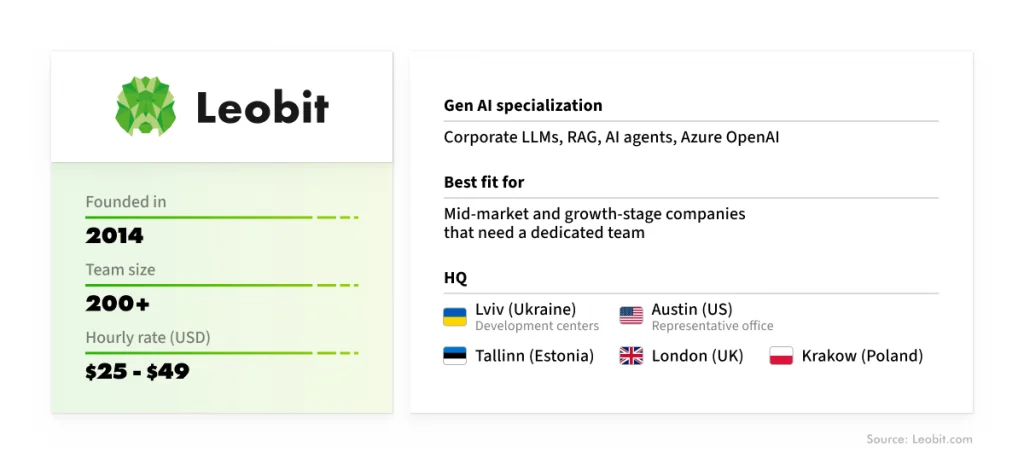
Leobit

Most companies adopting generative AI have already realized they cannot do it alone. According to RSM’s 2025 AI survey, 70% of middle-market companies using generative AI rely on external support to get its full value. Among the 76% of companies with a dedicated generative AI budget, 47% allocate part of that budget to external AI consulting.
The main reason is talent. In the same survey, 39% of companies said a lack of in-house expertise made them feel unprepared, while 35% faced insufficient internal skills during implementation. Buying AI tools can take an afternoon. Building a team that knows how to implement, manage, and scale them takes much longer.
Delays can also be costly. EY’s November 2025 survey found that companies may lose up to 40% of their potential AI productivity gains because of gaps in their talent strategy. In other words, significant value may remain unrealized while businesses try to hire and train the right people.
That is why choosing the right generative AI development company in 2026 can be one of the most important decisions in an AI initiative. A reliable partner can help you launch a corporate LLM, AI agent, or generative AI solution faster, while also ensuring the right guardrails, compliance practices, and architecture are in place for real-world production use.
So, how do you find a development partner you can trust?
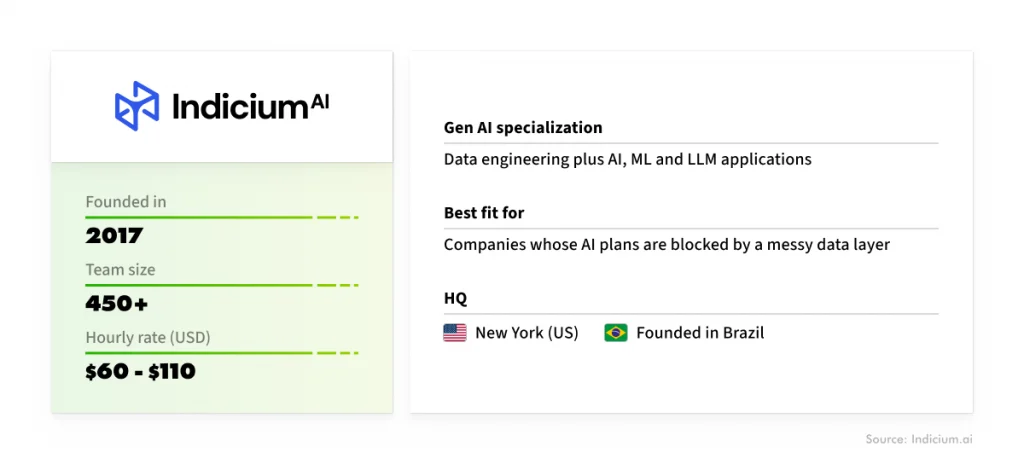
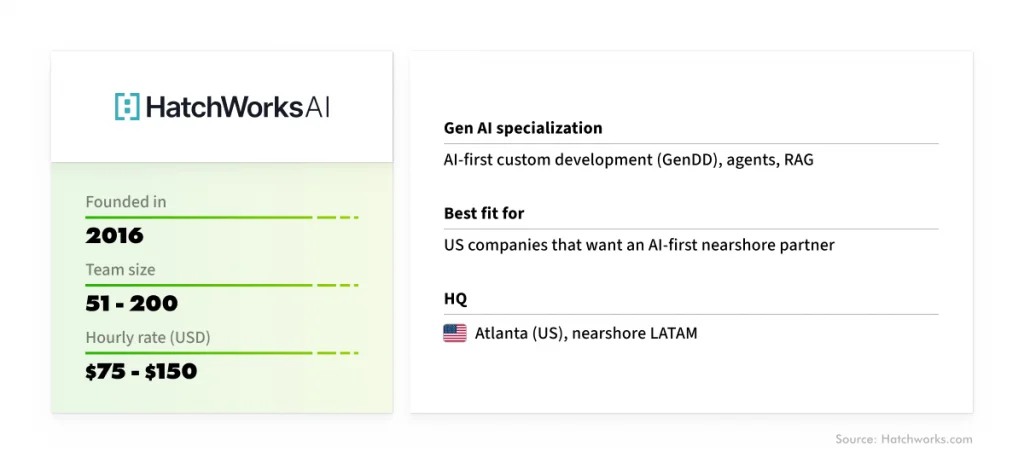
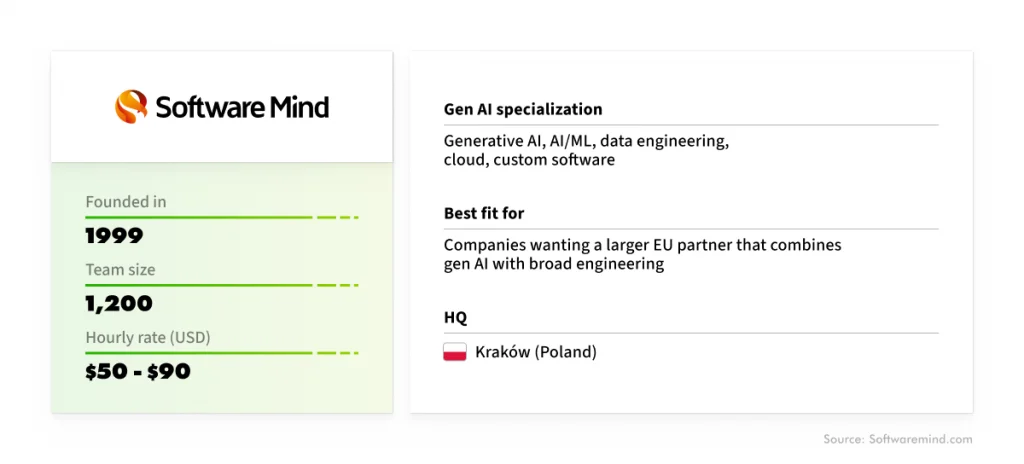
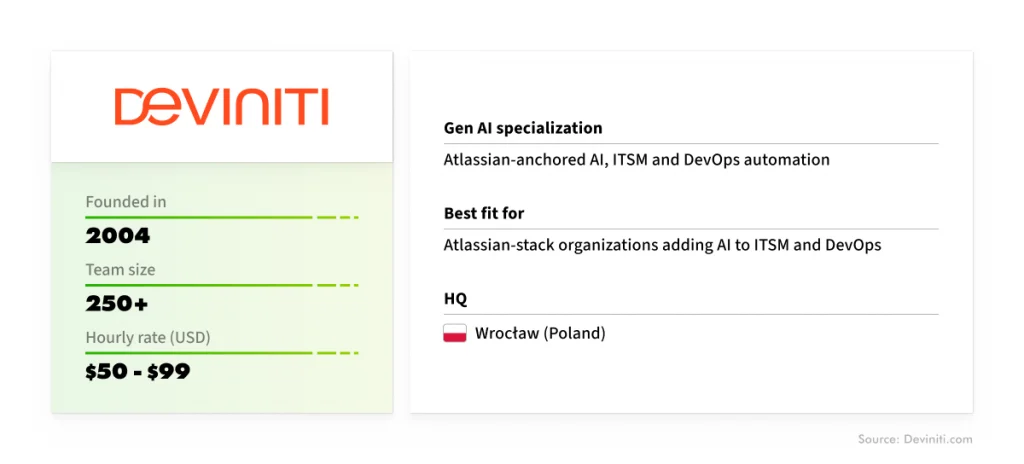
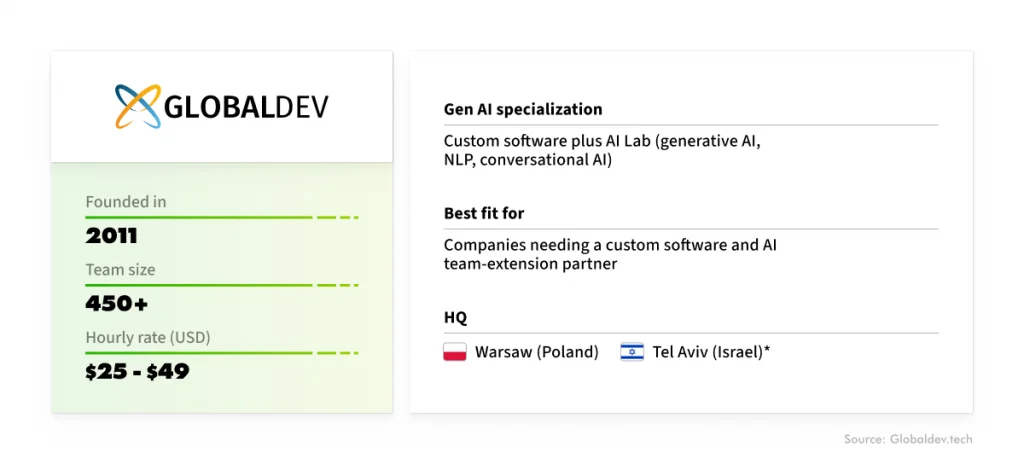
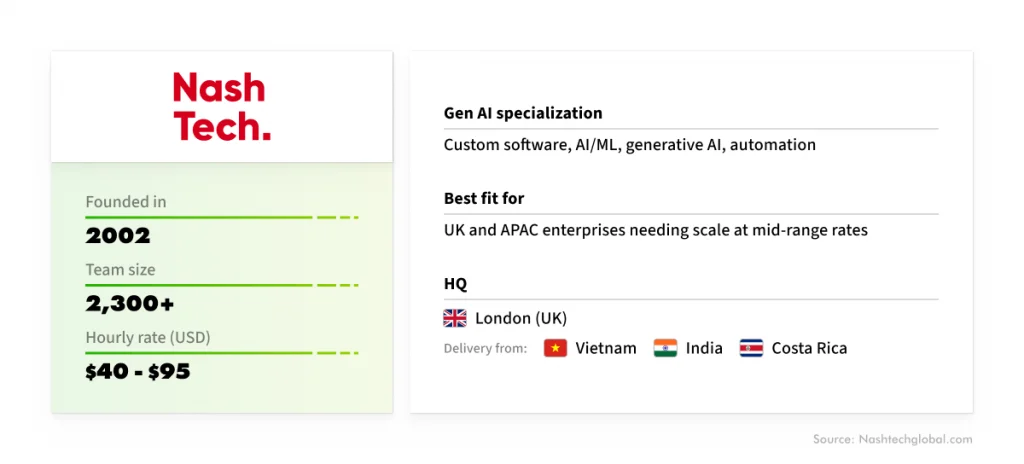
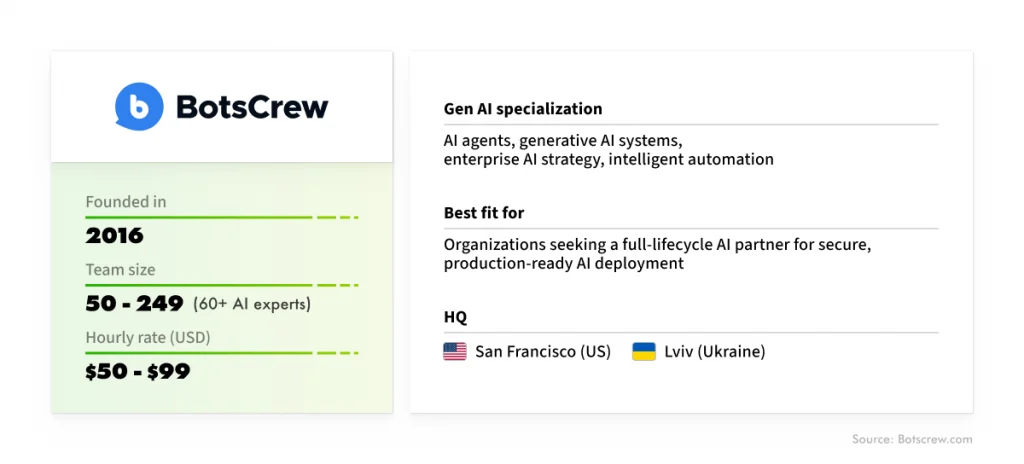
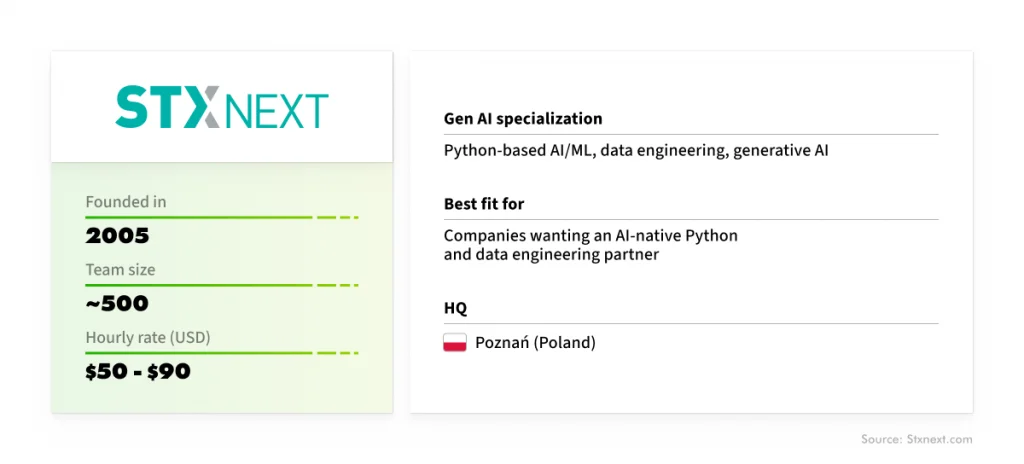
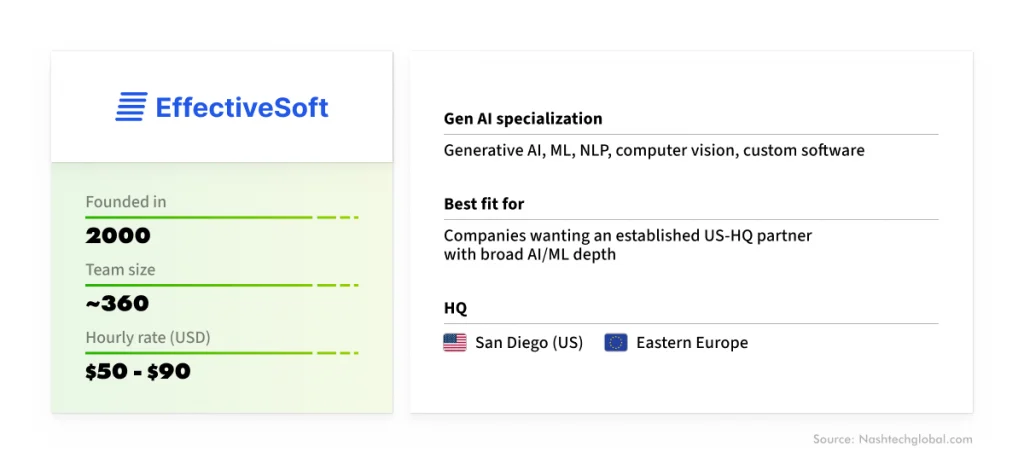
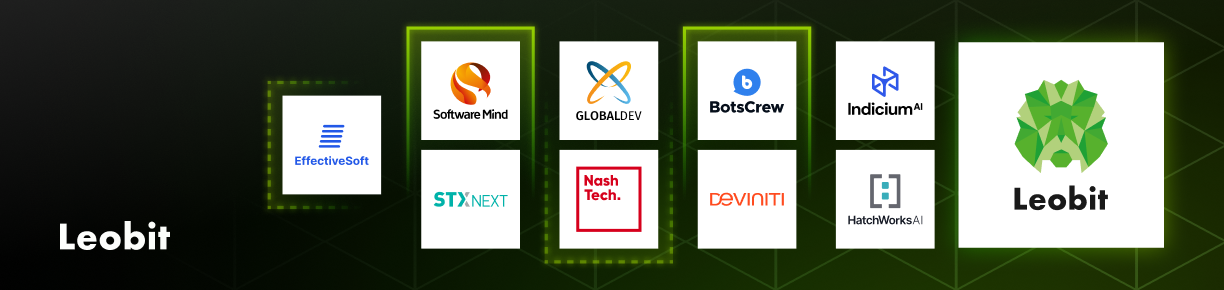
Leobit analyzed 93 generative AI development vendors and selected the top companies to consider in 2026. In this article, we compare the best generative AI development companies, their services, strengths, and pricing to help you choose the right partner for your project.