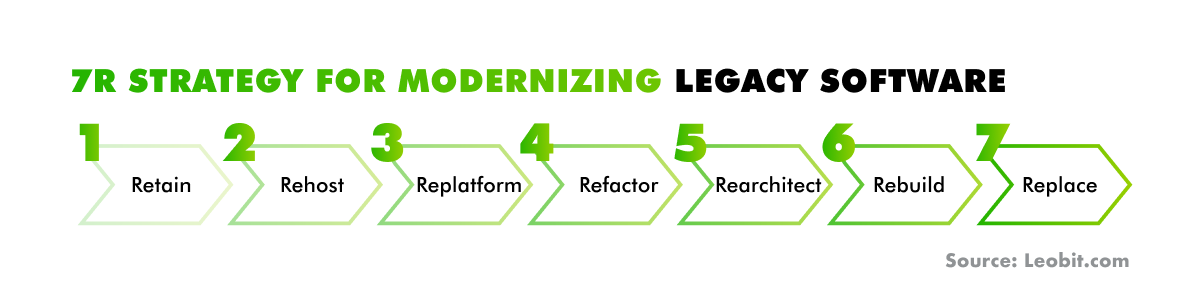
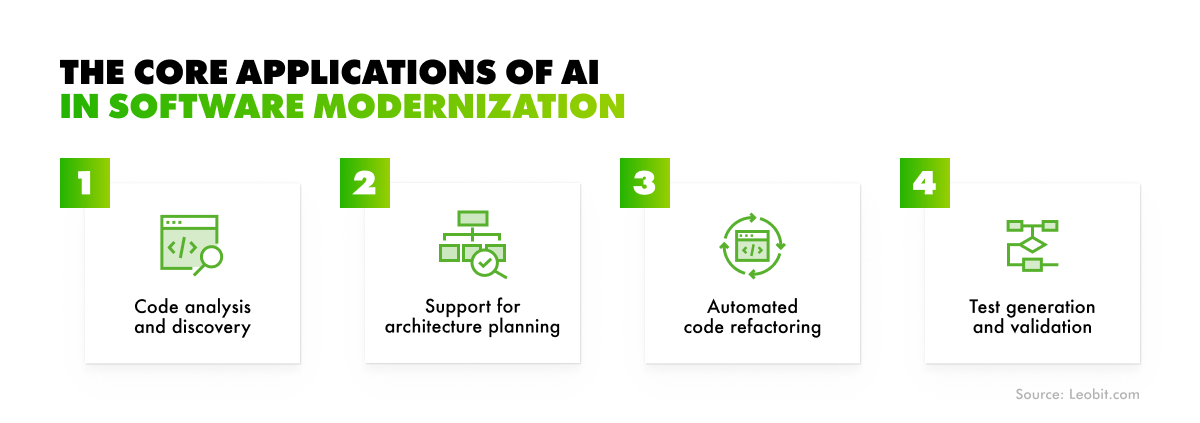
Software modernization approaches differ, and so do AI-driven workflows for them. Rather than defining a universal roadmap for AI-powered modernization, it is more reasonable to focus on best practices that can support the implementation of different modernization strategies.
Combine code analysis with manual assessment
Run AI-assisted code analysis before any human team evaluates the legacy system. Automated discovery can identify dependency graphs, dead code, tightly coupled components, and architectural layers in days. The discovery output becomes the truth source for all downstream decisions: prioritization, scope definition, and risk assessment.
Still, never underestimate the value of manual assessment. Even the most advanced AI models can make mistakes and be biased, a problem identified by 42% of business executives as one of the key AI adoption challenges. Only the right balance between model analysis and human overview makes the AI-driven discovery phase effective.
Select AI models matched to legacy language and target stack
Not all AI models understand legacy languages equally. COBOL-to-Java migrations require models trained on both syntaxes and semantic translation patterns. C++ to Rust requires understanding memory ownership semantics, not just syntax swaps. Match the AI model’s training data to the specific language pair and domain, such as financial systems, embedded code, or monolithic web apps. Mismatched models produce technically valid code that violates the target platform’s logic and may conflict with your solution’s business purpose.
Use AI for large-scale code translation
AI excels at translating entire codebases when the translation rules are consistent. For instance, migrating from Xamarin or Xamarin.Forms to .NET MAUI with AI works well because the semantic intent remains stable. AI can apply refactoring rules uniformly across thousands of files, catching edge cases and variations that manual find-and-replace would miss. Reserve manual engineering effort for modules where the legacy design fundamentally mismatches the target architecture. In such cases, your team will need to redesign the codebase instead of merely translating it.
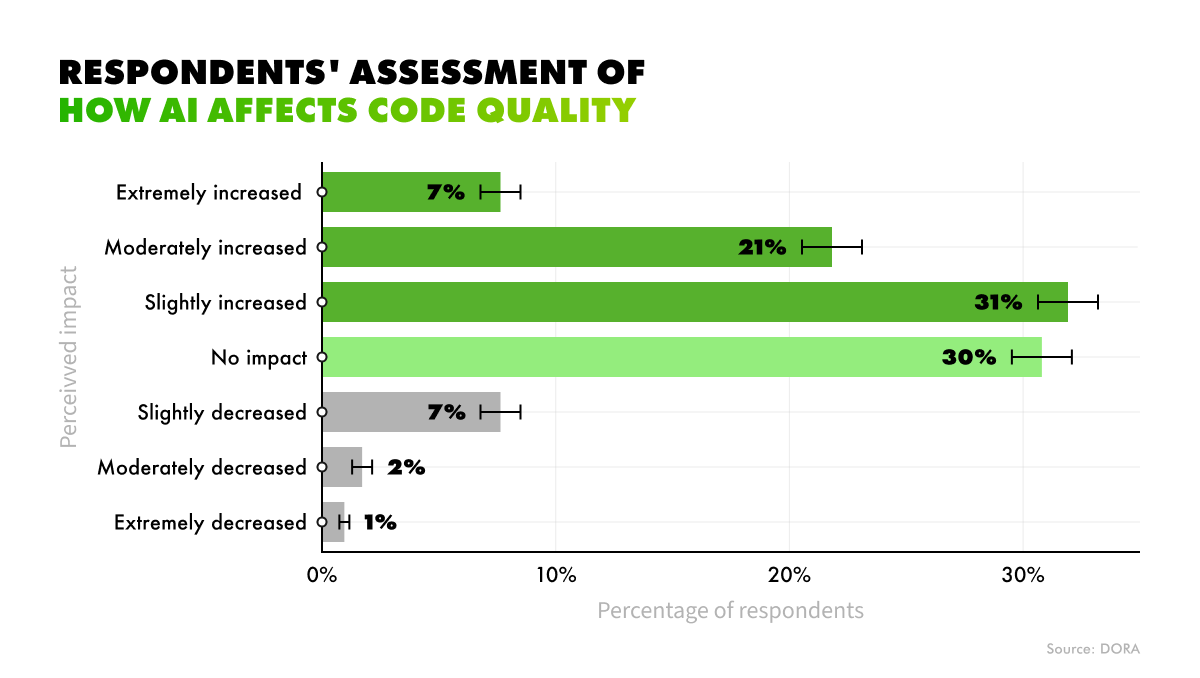
Also, review the translated code thoroughly. Even though modern AI models excel at code generation, they can create 1.7 times as many bugs as humans. The actual number depends largely on the complexity of the existing codebase. However, a thorough review of AI-generated or AI-translated code remains essential.
Generate tests from production behavior
When AI generates tests, feed it logs and traces from actual production behavior rather than documentation or developer assumptions. Legacy systems often behave differently from what is documented. Silent edge cases, undocumented fallback logic, and accumulated workarounds become the true specification.
AI analyzes production traces to generate tests that verify the system produces the same outputs for the same inputs. Such tests capture what actually happens in production rather than what outdated documentation claims should happen.
Document AI decisions for future maintainability
When AI suggests a refactoring path or architectural split, don’t just record what changed — note why that decision was made. Legacy systems often carry hidden logic shaped by regulations, historical constraints, or past design choices that no longer look obvious. AI can help surface these patterns, but the reasoning behind them still needs to be captured. Without that context, future engineers may not know whether they’re dealing with an intentional business rule or something that can safely be removed.
This also matters from a compliance perspective. With frameworks like the EU AI Act pushing for more transparency and explainability, documenting decision-making creates an audit trail for modernization work. It keeps the codebase easier to maintain and helps reduce friction during future reviews or regulatory checks.
 Leobit